

Active Recovery vs. Passive Rest: What Seymour, CT Hikers Need to Know
If you are pushing your limits inside Elite Fitness Club in Seymour or hitting the rugged trails of New Haven County, you have likely faced the ultimate rest-day dilemma: Should I go for a light walk or completely melt into the couch?
In the fitness and hiking communities, this is the classic debate between Active Recovery and Passive Rest. Both approaches play vital roles in physical performance, but choosing the wrong one can stall your progress or leave you unnecessarily stiff.
Here is what Seymour hikers and athletes need to know about balancing active movement with total rest to optimize training and speed up healing.

The Breakdown: Active Recovery vs. Passive Rest
To understand which type of rest your body needs, it helps to look at exactly what happens to your muscles under different recovery states.
What is Active Recovery?
Active recovery involves performing low-intensity, non-strenuous exercise that keeps your heart rate in "Zone 2" (where you can easily hold a full conversation).
The Goal: To pump oxygen-rich blood through your muscles, which naturally flushes out metabolic waste (lactic acid) and micro-tears accumulated during a heavy leg day or an intense conditioning class.
What is Passive Rest?
Passive rest means complete physical stillness. Think sleeping, sitting on the couch, or enjoying a restorative afternoon reading a book.
The Goal: To completely stop physical demands, allowing the central nervous system (CNS) to reset and structural tissues to rebuild without any added friction.
When Should Seymour Hikers Choose Active Recovery
Active recovery is highly effective for localized muscle soreness (DOMS). Sitting still when your legs are incredibly tight can cause the muscles to shorten and stiffen further.
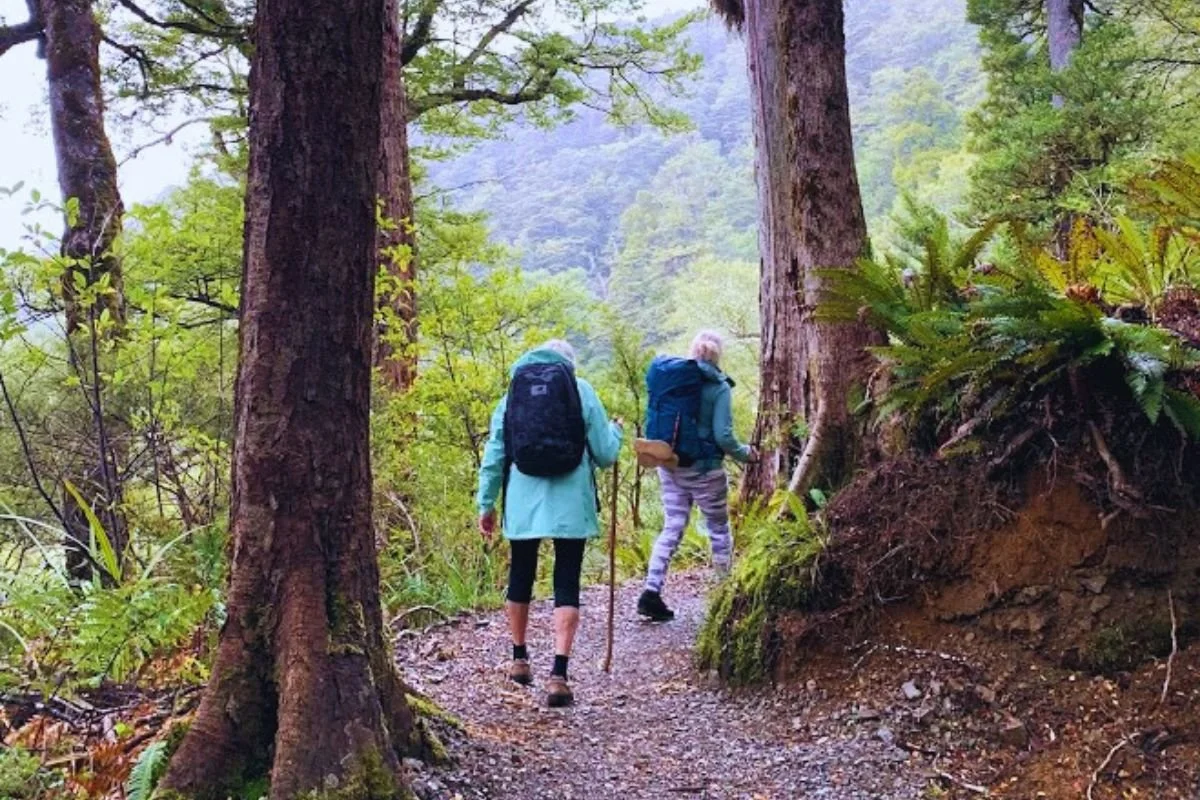
If you are recovering from a hard session at the club but feel capable of light movement, Seymour has excellent low-impact trails that serve as perfect recovery zones:
The Seymour Greenway (Naugatuck River Greenway): Located right on Bank Street, this flat, paved 0.3-mile path runs along the Naugatuck River. It is the perfect, perfectly level spot to take a 20-minute rhythmic walk to gently mobilize your hips and knees without the impact of rocky terrain.
Fountain Lake Reservoir (Middle Loop): Tucked away off Birmingham Boulevard, the 1.25-mile Middle Loop offers a soft, dirt-canopied trail. The minor, rolling dirt terrain provides just enough natural variance to gently engage your core and stabilizer muscles without spiking your heart rate.
The Golden Rule of Active Recovery: If your movement feels like a "workout," you are doing it wrong. Keep the pace leisurely and use the time to enjoy the quiet native woodlands.
When to Opt for Passive Rest
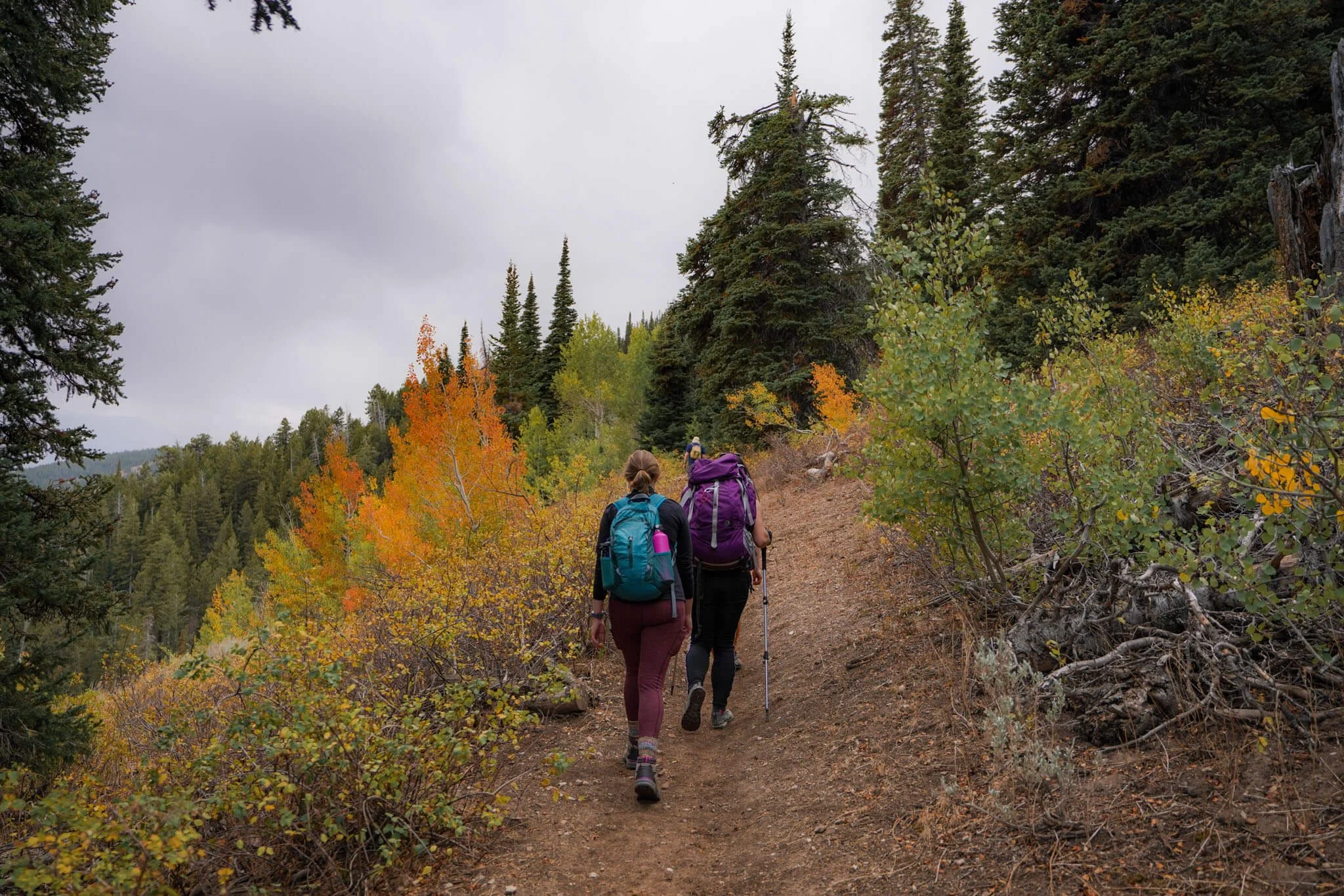
Active recovery is incredible, but it cannot replace total stillness. There are specific times when your body requires zero physical output. You should opt for complete passive rest if you experience:
Systemic Fatigue: If you wake up feeling mentally drained, weak, or completely unmotivated, your central nervous system is overtaxed. A hike will only drain your battery further.
Acute Joint Pain or Injury: If you are dealing with a localized injury, such as a rolled ankle from a rogue tree root or a strained tendon, active recovery can exacerbate the issue. Your body needs absolute stillness to initiate the initial inflammatory healing phases.
Poor Sleep: If you slept poorly, skip the recovery walk. An extra hour of passive sleep or relaxation provides vastly superior hormonal and muscular recovery benefits to a light hike.
The Elite Way: Melding Both At The Club
True high-performance recovery utilizes a hybrid approach. At Elite Fitness Club, we’ve structured our facilities to handle both sides of the rest equation.
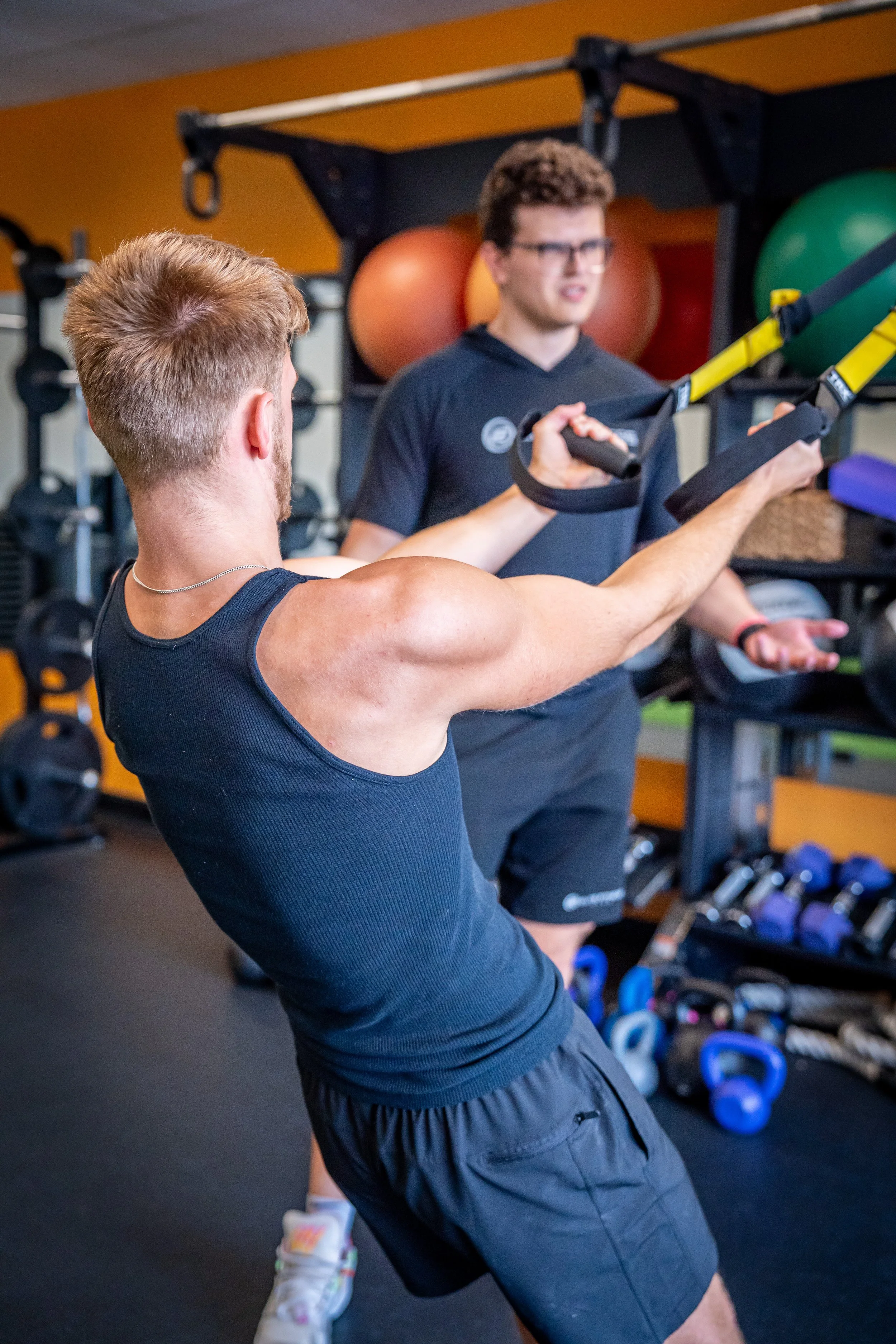
If you choose Active Recovery, you can come in for a low-intensity session on our premium cardio equipment or spend a dynamic 20 minutes doing mobility work and stretching out tight hip flexors on our indoor turf and courts.
If your body demands Passive Rest, skip the weights entirely and leverage our dedicated recovery amenities. Let the deep heat of our saunas dilate your blood vessels to passively increase blood flow, or lie back on our HydroMassage beds to soothe aching muscles without expending a single calorie.
Summary Checklist for Rest Days
Is it just muscle soreness? Choose Active Recovery (a light walk at Fountain Lake or the Greenway).
Is it joint pain, deep exhaustion, or low sleep? Choose Passive Rest (couch, sleep, or a passive sauna session).